
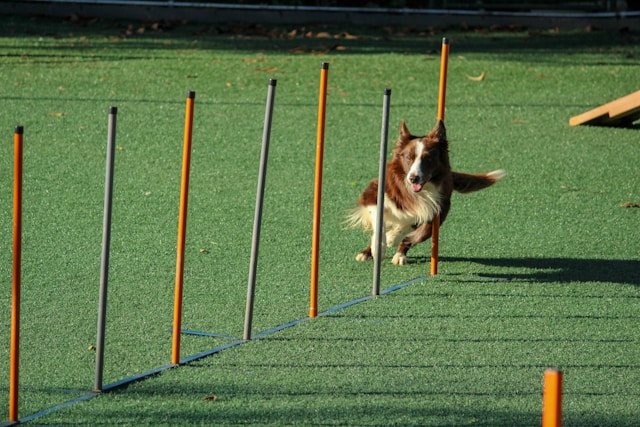

Barking is a natural way for dogs to communicate. It’s how they express excitement, alert you to something unusual, or respond to their environment. However, when barking becomes excessive, it can be frustrating for owners and disruptive to daily life. The key to solving this issue is understanding why your dog is barking and using simple, consistent techniques to manage it.
Excessive barking is rarely random. There is almost always a reason behind it, and once you identify that reason, it becomes much easier to address the behavior effectively.
Understanding Why Dogs Bark
Before you can stop excessive barking, you need to understand what’s causing it. Dogs bark for different reasons, and each type of barking requires a slightly different approach.
Some dogs bark to alert you to strangers or unusual sounds. Others bark out of boredom, especially if they are left alone for long periods. Anxiety, fear, attention-seeking, or even excitement can also trigger barking.
Pay attention to when and where your dog barks the most. Do they bark when someone walks past your home? When they’re alone? When they want food or attention? Identifying patterns is the first step toward solving the problem.
Avoid Encouraging the Behavior
One of the most common mistakes dog owners make is unintentionally rewarding barking. For example, if your dog barks for attention and you respond by petting or talking to them, they learn that barking gets results.
Even negative attention, like yelling, can reinforce the behavior because your dog still gets a reaction. From their perspective, barking worked.
Instead, ignore attention-seeking barking. Wait for a moment of silence, then reward your dog with attention or a treat. This teaches them that being quiet is what gets rewarded.
Teach the “Quiet” Command
Training your dog to understand a “quiet” command is one of the most effective ways to control barking. Start by allowing your dog to bark a few times, then calmly say “quiet” in a firm but gentle tone.
Once they stop barking, even for a moment, reward them immediately. Timing is important so your dog connects the silence with the reward.
Practice this regularly in different situations. Over time, your dog will learn to associate the command with stopping barking. Consistency is key for this technique to work.
Provide Enough Physical Exercise
A tired dog is a quiet dog. Many cases of excessive barking are simply the result of pent-up energy. Dogs that don’t get enough physical activity are more likely to bark out of boredom or frustration.
Make sure your dog gets enough daily exercise based on their breed and energy level. This could include walks, playtime, or games like fetch.
Regular exercise not only reduces barking but also improves overall behavior and mental well-being.
Keep Your Dog Mentally Stimulated
Mental stimulation is just as important as physical exercise. Dogs need activities that challenge their minds and keep them engaged.
Puzzle toys, training sessions, and interactive games can help reduce boredom-related barking. Teaching your dog new tricks or commands also gives them something productive to focus on.
A mentally stimulated dog is less likely to bark excessively because they are occupied and satisfied.
Manage Triggers in the Environment
Sometimes barking is triggered by specific things in your dog’s environment. This could be people walking by, other animals, or loud noises.
If your dog barks at passersby, consider limiting their view by closing curtains or moving them to a quieter area of the house. If noise is a trigger, creating a calm space or using background sounds can help reduce reactions.
Managing triggers doesn’t mean avoiding training—it simply helps reduce opportunities for excessive barking while your dog is learning better behavior.
Avoid Punishment-Based Methods
Using punishment to stop barking might seem like a quick solution, but it often creates more problems. Yelling, hitting, or using harsh tools can increase anxiety and lead to more barking in the long run.
Dogs respond better to guidance and positive reinforcement. Building trust and teaching alternative behaviors is far more effective than trying to suppress barking through fear.
A calm and patient approach always produces better results.
Address Separation Anxiety
Some dogs bark excessively when left alone. This is often a sign of separation anxiety. These dogs may also show other behaviors like pacing, whining, or destructive actions.
If your dog struggles with being alone, start by gradually increasing the time they spend by themselves. Create a comfortable environment with toys and familiar items.
Avoid making a big deal out of departures and arrivals. Keeping things calm helps reduce anxiety. In more severe cases, professional guidance may be needed to address the issue properly.
Use Positive Distractions
When your dog starts barking, redirect their attention to something else. This could be a toy, a command, or a short training exercise.
For example, asking your dog to “sit” or “down” shifts their focus away from the trigger. Reward them when they follow the command and remain calm.
This technique helps your dog learn alternative behaviors instead of relying on barking.
Be Patient and Consistent
Stopping excessive barking doesn’t happen overnight. It takes time, consistency, and patience. Every dog learns at a different pace, so it’s important to stay calm and committed to the process.
Consistency is especially important. Everyone in the household should follow the same approach to avoid confusing the dog.
Small improvements should be recognized and rewarded. Over time, these small steps lead to lasting change.
When to Seek Professional Help
If your dog’s barking is extreme, persistent, or linked to fear or aggression, it may be helpful to consult a professional trainer or veterinarian.
They can identify underlying issues and provide tailored solutions based on your dog’s behavior. Professional guidance can make a big difference, especially in more complex cases.
Seeking help early can prevent the behavior from becoming more difficult to manage.
Conclusion
Excessive barking can be challenging, but it’s a problem that can be solved with the right approach. By understanding the cause, avoiding reinforcement of unwanted behavior, and using simple training techniques, you can teach your dog to bark less and behave more calmly.
With patience, consistency, and a focus on positive reinforcement, your dog can learn when it’s appropriate to bark and when it’s time to stay quiet. A calmer dog leads to a more peaceful home and a stronger bond between you and your pet.