
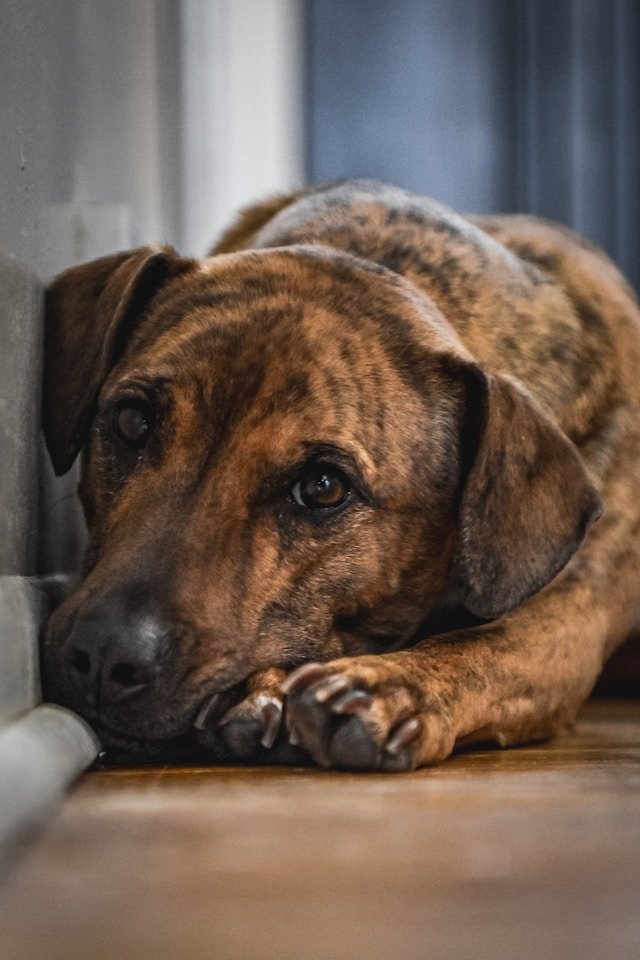

Separation anxiety is a common behavioral issue in dogs that occurs when they experience stress or distress when left alone. Dogs are social animals that form strong bonds with their owners, and being separated can trigger feelings of fear, loneliness, and insecurity. Understanding the causes of separation anxiety and implementing effective solutions can help your dog feel more comfortable and reduce destructive or distressing behaviors.
Recognizing separation anxiety early is important, as prolonged stress can affect a dog’s physical health, mental well-being, and safety. With patience, consistency, and the right approach, most dogs can learn to cope with being alone.
Causes of Separation Anxiety in Dogs
Separation anxiety can develop for a variety of reasons, often involving a combination of genetics, early experiences, and environmental factors. Common causes include:
- Changes in Routine or Environment: Moving to a new home, changing work schedules, or altering daily routines can trigger anxiety in dogs that are sensitive to change.
- Loss of a Family Member or Pet: Dogs may become anxious if a companion they rely on is no longer present, whether due to death, relocation, or adoption.
- Lack of Early Socialization: Puppies that are not gradually exposed to being alone or left in safe spaces may struggle with independence later in life.
- Traumatic Experiences: Dogs that have been abandoned, rehomed multiple times, or experienced neglect can be prone to separation anxiety.
- Genetic Predisposition: Some breeds and individual dogs are naturally more prone to anxiety due to temperament and genetics.
Understanding the underlying cause helps in tailoring solutions that are most effective for your dog’s specific needs.
Signs of Separation Anxiety
Separation anxiety can manifest in various ways, and recognizing the symptoms is key to addressing the issue. Common signs include:
- Excessive barking, howling, or whining when left alone
- Destructive behaviors, such as chewing furniture, scratching doors, or tearing objects
- Attempting to escape from confinement or the home
- Pacing or restlessness before departure
- Loss of appetite or refusal to eat when alone
- Accidents in the house, even in previously housetrained dogs
It is important to distinguish separation anxiety from boredom or lack of training. Anxiety-driven behaviors are more intense, persistent, and accompanied by signs of distress.
Solutions to Separation Anxiety
Managing separation anxiety requires a combination of training, environmental adjustments, and sometimes professional intervention.
1. Gradual Desensitization
Gradual desensitization is a method where your dog is slowly accustomed to being alone. Start by leaving your dog for very short periods and gradually increase the time as they become more comfortable.
- Begin with a few minutes and stay nearby.
- Reward calm behavior and gradually extend the duration.
- Avoid dramatic departures or arrivals to prevent heightening anxiety.
This method helps your dog build confidence in their ability to be alone without stress.
2. Create a Safe and Comfortable Space
Providing a designated area, such as a crate or a specific room, can help your dog feel secure.
- Include their bed, toys, and familiar scents.
- Avoid punishment for destructive behavior; instead, make the area inviting and positive.
- Ensure the space is comfortable and free of hazards.
A safe space helps your dog feel in control and reduces stress when left alone.
3. Use Positive Reinforcement
Reward calm and independent behavior to encourage confidence.
- Give treats, praise, or toys when your dog remains calm during brief departures.
- Avoid rewarding anxious behavior, which can reinforce fear.
- Use interactive toys or puzzle feeders to engage your dog while you’re away.
Positive reinforcement helps your dog associate being alone with positive experiences.
4. Practice Short Absences
Frequent short absences help your dog adjust gradually.
- Start with leaving for a few minutes, then extend to 10–15 minutes, and gradually increase.
- Return calmly and avoid making a big fuss, which can reinforce anxiety.
- Repeat consistently to help your dog learn that departures are normal and safe.
This method strengthens independence without overwhelming your dog.
5. Maintain a Calm Departure and Arrival Routine
Dogs are sensitive to their owner’s emotions. Calm and predictable routines can reduce anxiety.
- Avoid prolonged goodbyes or dramatic exits.
- Keep arrivals low-key and stress-free.
- Use consistent cues, like a specific phrase, to signal departure and return.
Predictable routines help your dog feel secure and understand that separation is temporary.
6. Provide Mental and Physical Stimulation
A tired and mentally engaged dog is less likely to become anxious.
- Take your dog for walks or play before leaving.
- Provide interactive toys, chew items, or puzzle feeders.
- Rotate toys to maintain interest.
Exercise and mental stimulation reduce energy and stress, making alone time easier to handle.
7. Consider Professional Help
Severe cases of separation anxiety may require professional assistance.
- Certified dog trainers, behaviorists, or veterinarians specialized in behavioral issues can provide personalized guidance.
- In some cases, short-term medication may be recommended to manage severe anxiety while training is implemented.
Professional support ensures safe and effective treatment, especially when behaviors pose a risk to your dog or home.
Common Mistakes to Avoid
- Punishing your dog for anxious behavior, which worsens fear
- Leaving your dog alone for long periods too soon
- Inconsistency in training or routines
- Ignoring early signs of anxiety, allowing behaviors to escalate
Avoiding these mistakes increases the likelihood of success in managing separation anxiety.
Conclusion
Separation anxiety is a challenging but manageable condition. Understanding its causes, recognizing signs, and implementing gradual, positive strategies can help your dog feel safe and secure when left alone.
With patience, consistency, and the right techniques, most dogs can learn to cope with being alone, reducing stress for both the dog and the owner. By addressing separation anxiety early, you create a happier, more confident dog and a more peaceful home environment.