
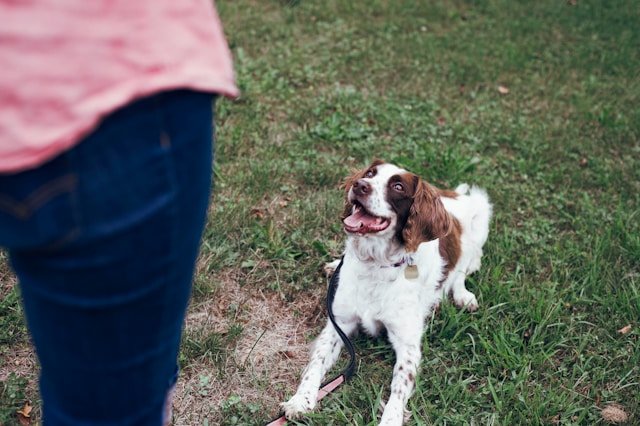

Training your dog to follow basic commands is one of the most rewarding parts of pet ownership. Not only does it help keep your dog safe, but it also strengthens the bond between you and your furry companion. Basic commands like “sit,” “stay,” “come,” and “down” form the foundation for good behavior, and once your dog learns these, more advanced training becomes much easier.
For first-time dog owners, the key is to keep training simple, consistent, and positive. Dogs learn best through repetition, rewards, and clear communication. With patience and persistence, teaching these commands can become a fun experience for both you and your dog.
Why Basic Commands Are Important
Teaching basic commands is not just about obedience—it’s about safety, control, and communication. Commands can prevent your dog from running into dangerous situations, like crossing a busy street, or getting into trouble at home.
Additionally, training builds mental stimulation. Dogs that are mentally engaged tend to have fewer behavioral issues, such as excessive barking or chewing. Basic commands also create structure, which makes your dog feel more secure.
By establishing a strong foundation early, you set your dog up for success throughout their life.
Start With Short Training Sessions
Dogs have short attention spans, especially puppies. Keep training sessions brief, around 5 to 10 minutes, a few times a day. Short sessions prevent frustration and keep your dog focused.
Consistency is more important than duration. Frequent, short sessions are much more effective than long, sporadic ones. End each session on a positive note to encourage enthusiasm for future training.
Use Positive Reinforcement
Positive reinforcement is one of the most effective methods for teaching commands. This involves rewarding your dog for performing the desired behavior. Rewards can include treats, praise, or playtime.
For example, when teaching “sit,” give your dog a treat immediately after they sit. This helps your dog connect the behavior with the reward. Timing is crucial—delayed rewards can confuse your dog and slow learning.
Avoid punishment or yelling, as this can cause fear or stress and make your dog less likely to cooperate. Encouragement and patience always yield better results.
Teaching the “Sit” Command
“Sitting” is usually the first command to teach because it is easy and provides a foundation for other commands.
- Hold a treat close to your dog’s nose.
- Move your hand upward, allowing your dog’s head to follow the treat. This will naturally cause their bottom to lower to the ground.
- As soon as they sit, say “sit” clearly and reward them.
- Repeat several times a day, gradually reducing treats as your dog learns the command.
Once your dog consistently sits on command, you can practice in different environments to reinforce the behavior.
Teaching the “Stay” Command
The “stay” command teaches your dog self-control and patience.
- Ask your dog to sit.
- Hold your hand out in front of you, palm facing them, and say “stay.”
- Take a small step back. If your dog remains in place, reward them.
- Gradually increase the distance and duration before giving the reward.
Practice regularly in short intervals to build your dog’s confidence and understanding.
Teaching the “Come” Command
The “come” command is essential for safety. It ensures your dog returns to you in potentially dangerous situations.
- Use a cheerful, inviting tone and say your dog’s name followed by “come.”
- Encourage your dog to move toward you. You can use treats or a favorite toy as motivation.
- Reward them immediately when they reach you.
Practice in various settings, both indoors and outdoors, to make the command reliable in any situation.
Teaching the “Down” Command
The “down” command is useful for controlling your dog in social situations or when calming them is necessary.
- Start with your dog in a sitting position.
- Hold a treat near their nose and slowly move it toward the floor.
- As your dog follows the treat and lies down, say “down” and reward them.
- Repeat regularly and practice in different locations.
This command helps your dog relax and respond to your guidance more easily.
Practice Makes Perfect
Repetition and consistency are critical for mastering commands. Practice each command multiple times a day, in short sessions, and in different environments. This reinforces learning and helps your dog respond reliably, even with distractions.
Be patient—some dogs learn quickly, while others need more repetition. Celebrate small victories and gradually increase difficulty as your dog improves.
Combine Commands for Better Control
Once your dog masters individual commands, you can start combining them for more advanced control. For example, asking your dog to “sit” and then “stay” before letting them “come” teaches sequencing and improves obedience.
Combining commands also prepares your dog for real-life situations, where multiple behaviors may be necessary in a short period.
Avoid Common Training Mistakes
Common mistakes include inconsistent commands, overusing treats, or getting frustrated with slow progress. Stick to one command for one behavior, reward appropriately, and remain patient.
Avoid punishing your dog for mistakes. Focus on guiding them toward the correct behavior instead. Positive reinforcement is always more effective than negative methods.
Make Training Fun
Training should be a positive bonding experience. Use praise, toys, and playful interactions to make learning enjoyable. Dogs are more responsive when training is associated with fun and attention from their owner.
A happy dog is a motivated dog, and making training fun ensures long-term success.
Conclusion
Teaching your dog basic commands doesn’t have to be difficult. By starting with short sessions, using positive reinforcement, and being consistent, you can help your dog learn essential behaviors that improve safety, communication, and daily life.
Patience, practice, and a positive attitude are the keys to success. With these techniques, your dog will not only learn commands quickly but also develop a stronger bond with you, making training a rewarding experience for both of you.