
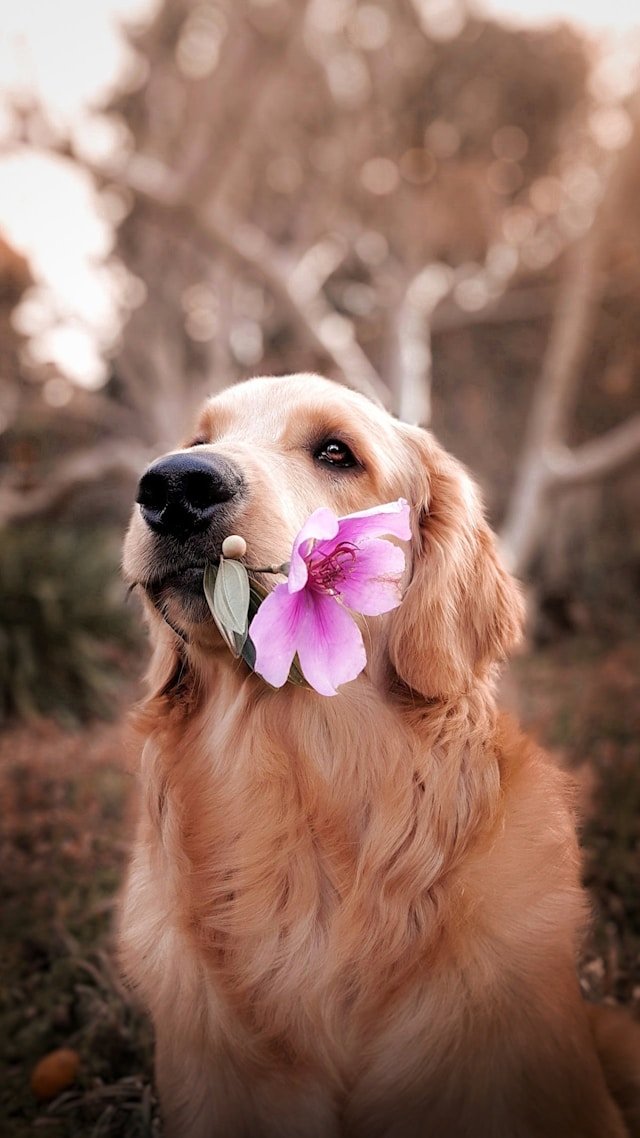

Dog grooming is more than just keeping your pet looking good—it plays a vital role in maintaining their overall health, comfort, and happiness. For beginners, grooming might seem overwhelming at first, but with the right knowledge and tools, it can become an enjoyable routine for both you and your dog. This guide will walk you through everything you need to know to get started with confidence.
Why Dog Grooming Matters
Regular grooming is essential for your dog’s well-being. It helps keep their coat clean, reduces shedding, prevents skin issues, and allows you to check for any unusual signs like lumps, parasites, or infections. Grooming also strengthens the bond between you and your pet, as it involves trust and physical closeness.
Neglecting grooming can lead to matted fur, skin irritations, and even health complications. A consistent routine ensures your dog stays comfortable and healthy all year round.
Understanding Your Dog’s Coat Type
Before you begin grooming, it’s important to understand your dog’s coat type. Different breeds have different grooming needs:
Short-haired dogs require less brushing but still benefit from regular maintenance to remove loose hair and dirt.
Long-haired dogs need frequent brushing to prevent tangles and matting.
Curly or wiry coats often require specialized grooming techniques and occasional trimming.
Double-coated breeds shed heavily during certain seasons and need consistent brushing to manage loose fur.
Knowing your dog’s coat type helps you choose the right tools and grooming schedule.
Essential Dog Grooming Tools
Having the right tools makes grooming easier and more effective. Some basic items every beginner should have include:
A quality brush or comb suited to your dog’s coat type
Dog-specific shampoo that is gentle on the skin
Nail clippers or a grinder designed for pets
Ear cleaning solution and cotton pads
A soft towel or pet dryer
Investing in good tools not only improves results but also makes the process more comfortable for your dog.
Brushing Your Dog Properly
Brushing is one of the most important parts of grooming. It removes loose hair, distributes natural oils, and keeps the coat shiny and healthy.
Start by brushing in the direction of hair growth. Be gentle, especially if your dog has tangles or sensitive areas. For long-haired dogs, work through knots slowly to avoid pulling.
Make brushing a positive experience by offering treats and praise. Over time, your dog will begin to enjoy it rather than resist it.
Bathing Your Dog the Right Way
Bathing keeps your dog clean and free from dirt, allergens, and odors. However, it’s important not to overdo it, as frequent bathing can strip natural oils from the skin.
Use lukewarm water and a shampoo specifically formulated for dogs. Human shampoos can be too harsh and may cause irritation.
Wet your dog thoroughly, apply shampoo evenly, and gently massage it into the coat. Rinse completely to avoid residue, which can lead to itching.
After the bath, dry your dog with a towel or a pet-safe dryer. Make sure they are fully dry, especially in colder weather.
Nail Trimming Basics
Keeping your dog’s nails trimmed is crucial for their comfort and mobility. Long nails can cause pain and even affect their posture.
If you’re new to nail trimming, start slowly. Use proper pet nail clippers and trim only a small amount at a time. Be careful not to cut the quick, which is the sensitive part inside the nail.
If you’re unsure, you can ask a veterinarian or professional groomer for guidance. With practice, you’ll gain confidence and your dog will become more relaxed during the process.
Cleaning Your Dog’s Ears
Ear cleaning is often overlooked but is an important part of grooming. Dirt and wax buildup can lead to infections if not addressed.
Use a vet-approved ear cleaning solution and gently wipe the outer ear with a cotton pad. Avoid inserting anything deep into the ear canal, as this can cause injury.
Check your dog’s ears regularly for redness, odor, or excessive wax, which may indicate a problem that requires professional attention.
Dental Care and Oral Hygiene
Good oral hygiene is essential for your dog’s overall health. Dental issues can lead to pain, bad breath, and even more serious conditions if left untreated.
Brush your dog’s teeth regularly using a dog-specific toothbrush and toothpaste. Never use human toothpaste, as it can be harmful to pets.
If brushing is difficult at first, introduce it gradually and reward your dog for cooperation. Dental chews and toys can also help maintain oral health between brushing sessions.
Handling Shedding and Seasonal Changes
Shedding is a natural process, but it can be managed with proper grooming. During shedding seasons, increase brushing frequency to remove loose fur and prevent it from spreading around your home.
Regular grooming also helps keep your dog comfortable during temperature changes, as a well-maintained coat provides better insulation.
Creating a Grooming Routine
Consistency is key when it comes to grooming. Establish a routine that suits your dog’s needs and stick to it.
For most dogs, brushing a few times a week, bathing once a month, and regular nail and ear checks are a good starting point. Adjust the schedule based on your dog’s breed, lifestyle, and individual needs.
Keeping a routine helps your dog become familiar with the process, making grooming sessions smoother and less stressful.
Tips for a Stress-Free Grooming Experience
Grooming should be a positive experience for both you and your dog. Here are some tips to make it easier:
Start grooming when your dog is calm and relaxed
Use treats and praise to encourage good behavior
Keep sessions short at first and gradually increase the duration
Be patient and gentle, especially if your dog is nervous
Choose a quiet, comfortable space without distractions
Over time, your dog will learn to associate grooming with positive experiences.
When to Seek Professional Help
While many grooming tasks can be done at home, there are times when professional help is beneficial. If your dog has severe matting, skin issues, or requires specialized grooming, a professional groomer can provide expert care.
Regular visits to a groomer can also complement your at-home routine and ensure your dog stays in top condition.
Final Thoughts
Dog grooming is an essential part of responsible pet ownership. As a beginner, it may take some time to learn the best techniques and build a routine, but the effort is well worth it.
By understanding your dog’s needs, using the right tools, and practicing regularly, you can keep your pet clean, healthy, and happy. Grooming is not just about appearance—it’s about caring for your dog’s overall well-being and strengthening the bond you share.