
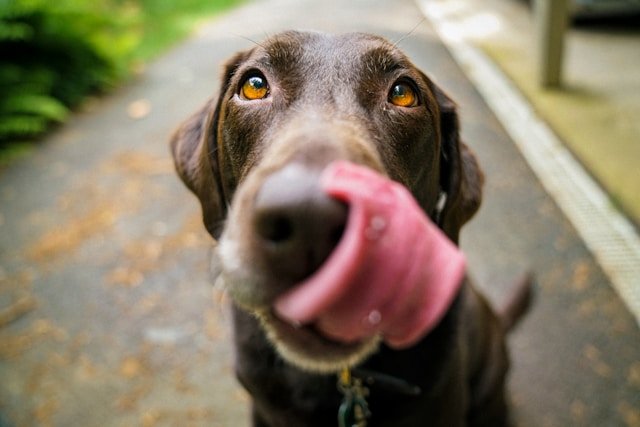

Grooming your dog is an essential part of keeping them healthy, comfortable, and happy. While many pet owners have the best intentions, it’s easy to make mistakes—especially if you’re new to grooming. These mistakes can lead to discomfort, skin issues, or even long-term health problems for your dog.
Understanding what to avoid is just as important as knowing what to do. In this guide, we’ll explore the most common dog grooming mistakes and how you can prevent them to ensure your pet gets the best care possible.
Skipping Regular Brushing
One of the most common grooming mistakes is not brushing your dog often enough. Many owners underestimate how important brushing is, especially for breeds with longer or thicker coats.
When brushing is neglected, fur can become tangled and matted. Mats are not just unsightly—they can pull on your dog’s skin, causing pain and even leading to infections.
To avoid this, establish a consistent brushing routine based on your dog’s coat type. Even short-haired dogs benefit from regular brushing to remove loose hair and dirt. Make brushing a gentle and positive experience so your dog learns to enjoy it.
Bathing Too Frequently or Not Enough
Finding the right balance when it comes to bathing is crucial. Some owners bathe their dogs too often, while others don’t do it enough.
Over-bathing can strip natural oils from your dog’s skin, leading to dryness, irritation, and itching. On the other hand, infrequent bathing can result in a dirty coat, unpleasant odors, and potential skin issues.
Most dogs do well with a bath every three to four weeks, but this can vary depending on their lifestyle and coat type. Always use a dog-specific shampoo and rinse thoroughly to prevent residue buildup.
Using the Wrong Grooming Products
Another common mistake is using products that are not designed for dogs. Human shampoos, conditioners, or grooming tools can be too harsh and may disrupt your dog’s natural skin balance.
Dogs have different pH levels than humans, so it’s important to use products specifically formulated for them. Using the wrong products can lead to irritation, dryness, and allergic reactions.
Invest in high-quality, pet-safe grooming supplies to keep your dog’s coat and skin healthy.
Ignoring Nail Care
Nail trimming is often overlooked, but it is a vital part of grooming. Allowing your dog’s nails to grow too long can cause discomfort, affect their walking posture, and even lead to joint issues over time.
Some owners avoid trimming nails because they fear cutting too deep. While this is understandable, avoiding it altogether creates bigger problems.
To prevent this, trim your dog’s nails regularly and only cut small amounts at a time. If you’re unsure, ask a professional groomer or veterinarian to show you the proper technique.
Neglecting Ear Cleaning
Ear care is another area that many dog owners forget. Dirty ears can lead to infections, discomfort, and unpleasant odors.
Dogs with floppy ears are especially prone to ear issues because moisture and debris can easily get trapped.
Make it a habit to check your dog’s ears weekly. Clean them gently with a vet-approved solution and avoid inserting anything deep into the ear canal. Regular maintenance can prevent painful infections.
Not Drying Your Dog Properly
After a bath, some owners allow their dogs to air dry without considering the consequences. While this might seem harmless, leaving your dog damp for too long can lead to skin irritation, fungal infections, or that unpleasant “wet dog” smell.
Thick-coated dogs are especially at risk, as moisture can get trapped beneath the fur.
Always dry your dog thoroughly using a towel or a pet-safe dryer. Make sure the coat is completely dry, particularly in colder weather or humid environments.
Brushing Incorrectly or Too Aggressively
Brushing is essential, but doing it incorrectly can cause discomfort or even harm your dog. Pulling too hard on tangles or using the wrong type of brush can irritate the skin and make grooming a negative experience.
Instead, be gentle and patient. Work through knots slowly and use tools suited to your dog’s coat. If you encounter severe matting, it may be best to seek professional help rather than trying to force it out.
Proper technique makes a big difference in keeping your dog comfortable during grooming.
Ignoring Signs of Skin Problems
Grooming is not just about cleaning—it’s also an opportunity to check your dog’s overall health. Ignoring signs like redness, bumps, excessive scratching, or dry patches can allow minor issues to develop into serious problems.
Always take a few moments during grooming to inspect your dog’s skin. If you notice anything unusual, consult a veterinarian promptly.
Early detection is key to preventing more serious health concerns.
Forcing Your Dog Through Grooming
Many dogs feel anxious or uncomfortable during grooming, especially if they are not used to it. Forcing your dog to sit through long or stressful grooming sessions can create fear and resistance.
This often leads to a cycle where grooming becomes more difficult each time.
To avoid this, introduce grooming gradually. Keep sessions short at first and use treats and praise to create positive associations. Patience and consistency will help your dog become more relaxed over time.
Skipping Professional Grooming When Needed
While at-home grooming is important, some dogs require professional care. Owners sometimes try to handle everything themselves, even when their dog’s coat or condition requires expert attention.
Professional groomers have the tools and experience to deal with complex grooming needs, including heavy matting, trimming, and breed-specific styling.
Knowing when to seek professional help ensures your dog receives the best care possible.
Not Following a Consistent Grooming Routine
Inconsistency is one of the biggest mistakes dog owners make. Grooming your dog only when they look dirty or unkempt is not enough.
A lack of routine can lead to buildup of dirt, overgrown nails, and neglected hygiene.
Create a grooming schedule that includes regular brushing, bathing, nail trimming, ear cleaning, and dental care. Consistency helps prevent problems before they start and makes grooming easier over time.
Using the Wrong Tools for Your Dog’s Coat
Different coat types require different grooming tools. Using a brush or comb that is not suited to your dog’s fur can make grooming less effective and even uncomfortable.
For example, a slicker brush works well for long-haired dogs, while a bristle brush is better suited for short coats.
Choosing the right tools ensures better results and a more pleasant experience for your dog.
Final Thoughts
Grooming mistakes are common, especially for beginners, but they can be easily avoided with the right knowledge and approach. By understanding these common errors and taking steps to prevent them, you can create a grooming routine that keeps your dog healthy, comfortable, and happy.
Remember, grooming is not just about appearance—it’s about caring for your dog’s overall well-being. With patience, consistency, and the proper techniques, you can turn grooming into a positive and rewarding experience for both you and your pet.